


Facts concerning Nocturnal Animals
(No comments)
Facts concerning Nocturnal Animals
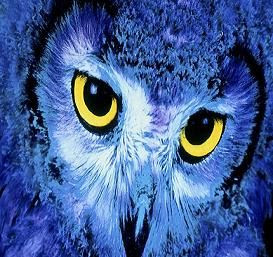 Our planet supports a various scheme. The flora and fauna is exclusive in numerous components of the globe. However, there ar some distinctive options among the kingdom Animalia, just like the land-water inhabitancy of amphibians and nocturnal behavior that augment variety and selection.
The kingdom Animalia contains diurnal, dark and nocturnal animals. whereas diurnal animals ar those who stay active through the day, dark animals ar most active at dawn and twilight. Nocturnal animals ar those who stay awake and active throughout the night. The raccoon, red fox, bird of night and also the skunk come back beneath the last class.
Why ar Nocturnal Animals referred to as So?
Most animals show behavior patterns not terribly in contrast to that of man. whereas most animals ar active throughout the daytime, there ar quite an few that show nocturnality. Nocturnality refers to AN animal's preference to sleep through the day and stay active throughout the night. tho' this behavior opposes the diurnal nature of human manner, nocturnal animals add quality to the kingdom Animalia. Animals just like the possum ANd mink follow an intermediate dark schedule or a preference for twilight activity.
While several animals that ar delineated as nocturnal stay active throughout the day also because the night, there ar a number of that suppose their post-twilight heightened instincts. The niche differentiation makes extra resources and a special zone accessible to the animal. The condition and adaptation to avoid predation ar the most options of nocturnality. this sort of animal behavior is generally seen within the desert regions round the world, wherever the nocturnal behavior pattern enhances regulation of pressure level within the body so as to keep up a relentless water content.
Facts concerning Nocturnal Animals
• Nocturnal animal species like ocean turtles or seabirds visit breeding sites at midnight to scale back the danger of predation. this permits them to guard themselves, also as their offspring, within the course of their period of time. Otherwise diurnal, nocturnal animals also are most active throughout the twilight hours.
• Nocturnal animals have extremely developed senses of hearing, sight and smell that ar specially custom-made to create the foremost of night-illumination. Some nocturnal animals have vision that's simply custom-made to nighttime and day illumination, whereas bush babies and around the bend ar ready to stay active solely at midnight. several nocturnal animals have special eye cells referred to as rods that change them to capture light-weight once it's dark, quite humans or alternative animals will within the same surroundings.
• Since the air continues to be at midnight and smells linger within the air it becomes easier for nocturnal animals to choose up and track scents, and realize food. Their sharp hearing ability allows them to find their prey because the latter scarper over fallen leaves and twigs.
• The bodies of nocturnal animals have special diversifications to change them to survive the dark. Nocturnal animals like lemurs have special eyes, whereas around the bend use fix. fix refers to the bat's ability to emit a high-pitched sound that bounces off objects among vary and offers the animal data concerning the form, distance and direction of the item.
• distinctive options of nocturnal animals facilitate them snag their prey simply. For example: the bird of night contains a special feather lining on the sting of every wing that muffles sound because it swoops down on prey. A cat has serious fur and soft foot pads that facilitate it to march on on a meal, whereas the eutherian will truly hear and smell insects because it walks on.
There ar 3 basic benefits that a nocturnal animal advantages from. Not solely do the animals get to hunt and stay up at the cooler hours of the night, however they're conjointly exposed to less competition once they hunt within the dark. The twilight and night hours conjointly shield these animals from predators. they're ready to camouflage well at midnight, to seek out their manner, hunt and scarper from predators. In zoos and parks nocturnal animals ar unbroken in special dark areas throughout the day that makes them assume it's night, this manner guests will then watch them.
 Our planet supports a various scheme. The flora and fauna is exclusive in numerous components of the globe. However, there ar some distinctive options among the kingdom Animalia, just like the land-water inhabitancy of amphibians and nocturnal behavior that augment variety and selection.
The kingdom Animalia contains diurnal, dark and nocturnal animals. whereas diurnal animals ar those who stay active through the day, dark animals ar most active at dawn and twilight. Nocturnal animals ar those who stay awake and active throughout the night. The raccoon, red fox, bird of night and also the skunk come back beneath the last class.
Why ar Nocturnal Animals referred to as So?
Most animals show behavior patterns not terribly in contrast to that of man. whereas most animals ar active throughout the daytime, there ar quite an few that show nocturnality. Nocturnality refers to AN animal's preference to sleep through the day and stay active throughout the night. tho' this behavior opposes the diurnal nature of human manner, nocturnal animals add quality to the kingdom Animalia. Animals just like the possum ANd mink follow an intermediate dark schedule or a preference for twilight activity.
While several animals that ar delineated as nocturnal stay active throughout the day also because the night, there ar a number of that suppose their post-twilight heightened instincts. The niche differentiation makes extra resources and a special zone accessible to the animal. The condition and adaptation to avoid predation ar the most options of nocturnality. this sort of animal behavior is generally seen within the desert regions round the world, wherever the nocturnal behavior pattern enhances regulation of pressure level within the body so as to keep up a relentless water content.
Facts concerning Nocturnal Animals
• Nocturnal animal species like ocean turtles or seabirds visit breeding sites at midnight to scale back the danger of predation. this permits them to guard themselves, also as their offspring, within the course of their period of time. Otherwise diurnal, nocturnal animals also are most active throughout the twilight hours.
• Nocturnal animals have extremely developed senses of hearing, sight and smell that ar specially custom-made to create the foremost of night-illumination. Some nocturnal animals have vision that's simply custom-made to nighttime and day illumination, whereas bush babies and around the bend ar ready to stay active solely at midnight. several nocturnal animals have special eye cells referred to as rods that change them to capture light-weight once it's dark, quite humans or alternative animals will within the same surroundings.
• Since the air continues to be at midnight and smells linger within the air it becomes easier for nocturnal animals to choose up and track scents, and realize food. Their sharp hearing ability allows them to find their prey because the latter scarper over fallen leaves and twigs.
• The bodies of nocturnal animals have special diversifications to change them to survive the dark. Nocturnal animals like lemurs have special eyes, whereas around the bend use fix. fix refers to the bat's ability to emit a high-pitched sound that bounces off objects among vary and offers the animal data concerning the form, distance and direction of the item.
• distinctive options of nocturnal animals facilitate them snag their prey simply. For example: the bird of night contains a special feather lining on the sting of every wing that muffles sound because it swoops down on prey. A cat has serious fur and soft foot pads that facilitate it to march on on a meal, whereas the eutherian will truly hear and smell insects because it walks on.
There ar 3 basic benefits that a nocturnal animal advantages from. Not solely do the animals get to hunt and stay up at the cooler hours of the night, however they're conjointly exposed to less competition once they hunt within the dark. The twilight and night hours conjointly shield these animals from predators. they're ready to camouflage well at midnight, to seek out their manner, hunt and scarper from predators. In zoos and parks nocturnal animals ar unbroken in special dark areas throughout the day that makes them assume it's night, this manner guests will then watch them.
Label:
Animal


